Storm Damage Roof Repair in Annapolis, MD
Annapolis weather isn't gentle. A nor'easter can sustain 60 mph winds for 18 hours. A summer derecho can form in under an hour and arrive with no warning. When the storm passes, your roof may look fine from the curb — and still have damage that will turn into a major leak within weeks.
Emergency assessment available · Serving Annapolis, Eastport, Bay Ridge, Cape St. Claire, Arnold and Anne Arundel County
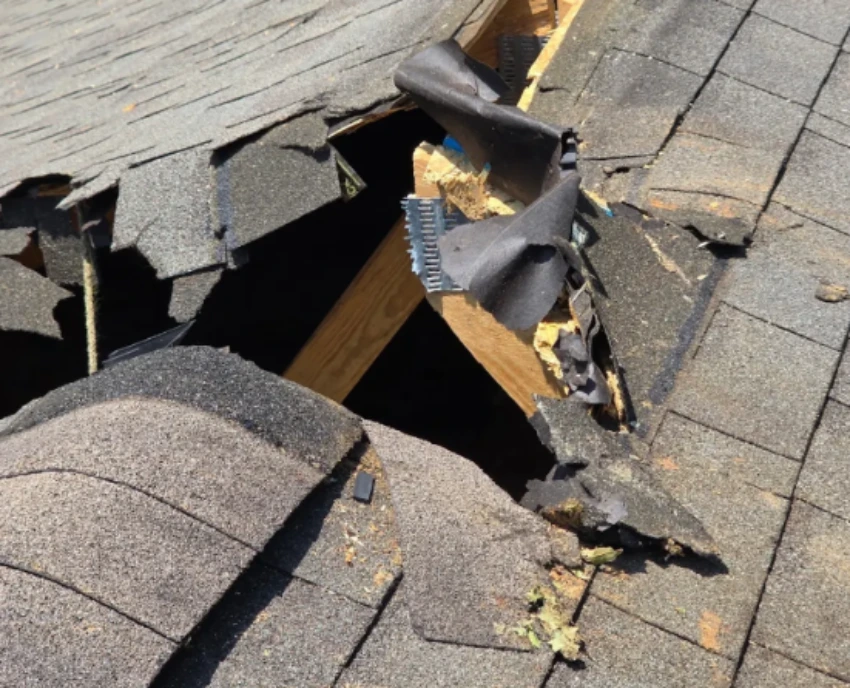
🌀 After a storm: Don't wait for the next rain to confirm damage. Shingle uplift and flashing displacement create vulnerabilities that may not leak immediately but will fail when the next storm arrives. Get a professional assessment while the damage is documentable.
How Annapolis storms damage roofs differently
The Chesapeake Bay geography shapes weather patterns in ways that affect Annapolis roofs specifically. Here's what each major storm type does:
Nor'easters (October–April)
Nor'easters are the most damaging weather event for Annapolis roofs. They're not just wind storms — they're sustained events that can drive wind-blown rain against every roof penetration for 12–24 consecutive hours. Winds commonly reach 50–70 mph, with gusts hitting 80 mph during strong events.
What they do to roofs: lift shingles along the eave edge where wind uplift is greatest, force water up and under overlapping shingles, load valley and flashing junctions with sustained directed rainfall, and loosen chimney counter-flashing that has already been weakened by mortar joint aging. Many leaks that first appear in January or February were actually created by the November or December nor'easter that lifted a tab just enough to break the seal.
Summer derechos
Derechos are straight-line wind events that form rapidly — often in under an hour — along a squall line. They're common in the Chesapeake Bay region from May through September. The 2012 derecho that hit the Annapolis area caused widespread damage with winds exceeding 70 mph that arrived with almost no warning.
What they do to roofs: sudden intense wind gusts break the seal tape on shingle edges that were holding perfectly well in moderate conditions, snap branches that fall on the roof, lift ridge caps and damage ridge vents, and can partially or fully peel a section of roofing that was already at end of life.
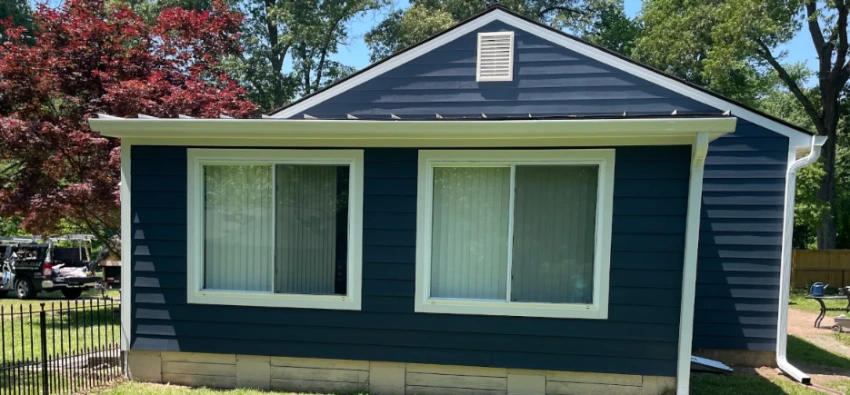
Left: Porch roof structural damage from wind event. Right: Attic view of roof penetration after tree impact — this type of damage must be assessed from both inside and outside.
Hail events
Annapolis doesn't get the large hail that the Midwest sees, but 1/2" to 1" hail is enough to strip granules from asphalt shingles. You may not see the damage clearly from the ground — but granule loss accelerates shingle aging dramatically. Dented gutters and downspouts are often the most visible indicator of a hail event, even when roof damage isn't obvious.
Tropical remnants and heavy rainfall
When tropical systems weaken and move up the coast, Annapolis can receive 5–8 inches of rain in 24 hours. This doesn't damage a sound roof — but it exposes every existing vulnerability: aging pipe boots that held fine in a typical shower will flood under sustained heavy rain, and flashing gaps that never leaked in moderate conditions will allow water entry when rain volume overwhelms the small seal.
What storm damage looks like — from the ground
You should not get on the roof to assess damage. From the ground or from your attic, here's what to look for:
- Missing shingles or areas of exposed black underlayment visible on the roof slope
- Shingles that appear lifted, curled or wrinkled in sections
- Bent, detached or hanging gutters and downspouts
- Tree limbs or branches resting on any part of the roof surface
- Granules collecting in gutters or at downspout outlets (looks like coarse sand)
- Visible daylight in the attic after an impact event
- New water staining on attic sheathing or rafters after a storm
- Damaged or dented metal components — flashing caps, ridge vents, pipe boots
The right steps after a storm hits your Annapolis home
- Stay safe — no roof access Immediately after a storm, the roof may be wet, unstable or compromised from impact. Do not attempt to access the roof yourself. Note what you can see from the ground.
- Document everything immediately Take dated photographs with your smartphone of all visible damage — exterior and interior. If water is actively entering, photograph the drip location, placement of containers, and any damaged belongings. This documentation is critical for insurance claims.
- Protect your interior Move valuables away from drip areas. Use buckets and towels. If a large portion of the roof is open (tree impact, major hole), spread plastic sheeting inside the attic over the insulation to contain water until tarping can be done.
- Call for emergency assessment and tarping Emergency tarping covers an open area and stops further water intrusion while a proper repair is scheduled. Any qualified roofing contractor can provide temporary protection quickly.
- Contact your insurer to open a claim Before permanent repairs are made, report the claim to your homeowner's insurance company. An adjuster will need to inspect. Do not remove damaged materials or make permanent repairs before the adjuster sees the damage.
- Get a written damage assessment and scope of work Your roofing contractor should provide a written summary of observed damage and proposed scope of work — this is useful documentation both for your own records and for your insurance claim.
Insurance claims for storm damage in Maryland
Maryland homeowners insurance generally covers sudden, accidental damage from named perils including wind, hail, and falling objects (like trees). What it typically does not cover: gradual wear, aging, deferred maintenance, or pre-existing conditions.
Key points for Annapolis homeowners navigating storm claims:
- Document the storm date. National Weather Service records for the Annapolis area (BWI and Patuxent River data) can confirm storm intensity for your claim date.
- Photograph before any temporary repair. Even emergency tarping should be photographed before and after.
- Your contractor can help with documentation. Experienced local contractors know how to photograph damage in a way that's useful for adjuster review.
- Understand RCV vs. ACV. Replacement Cost Value pays the full replacement cost. Actual Cash Value deducts depreciation. Check your policy before assuming full coverage.
- Be cautious of storm chasers. Door-to-door roofing solicitation after Annapolis storms is common. Work with a contractor you've vetted, not one who appeared in your driveway the day after a nor'easter.
Report Storm Damage Now
Describe what happened, the neighborhood, and what you're seeing. Emergency assessment available.
Describe the Damage → Call (410) 883-1701Quick action checklist:
- Stay off the roof
- Photograph all damage
- Move valuables indoors
- Call for emergency tarping
- Report claim to insurer
- Get written damage scope
Storm season in Annapolis
Oct–Apr: Nor'easter season. Get a post-summer inspection before this window.
May–Sep: Derecho and tropical season. Know your roof's condition going in.
Common questions after an Annapolis storm
What should I do immediately after storm damage to my roof?
Stay safely away from the roof. Document all visible damage with dated photographs from the ground. Move valuables away from active drips. Call a roofing professional for emergency assessment and temporary tarping to stop further water intrusion. If filing an insurance claim, photograph everything before any work — even temporary tarping — begins. Save weather records confirming the storm date.
What types of storms cause the most damage to Annapolis roofs?
Nor'easters are the most damaging — they arrive between October and April and can sustain 50–80 mph winds for 12–24 hours, driving rain against every roof penetration. Summer derechos form with little warning and can exceed 70 mph. Hail strips granules and accelerates shingle aging across the entire surface. Tropical remnants bring sustained heavy rainfall that exposes every existing vulnerability.
Will my homeowners insurance cover storm-damaged roofing?
Maryland homeowners insurance typically covers sudden, accidental damage from wind, hail, and falling trees. Coverage for gradual deterioration or maintenance is generally excluded. Document the storm date, photograph damage before any repairs, and contact your insurer before scheduling permanent work. An experienced roofer can provide photo documentation that supports your claim. Check whether your policy pays replacement cost value or actual cash value — the difference can be significant.
How do I tell if my roof has hail damage?
Hail damage on asphalt shingles appears as circular dents with exposed mat material — the granules are knocked off, exposing the black asphalt beneath. From the ground this can look like dark spots scattered across the shingle surface. Dented gutters, downspouts and metal flashing caps are often more visible than shingle damage. Have a professional inspect after any hail event, even if damage isn't obvious from the street.
How long does emergency tarping take?
Emergency tarping of a typical open section can be completed within a few hours of calling. The tarp is secured over the damaged area to prevent water intrusion while a permanent repair is scheduled. This is temporary protection — not a repair — and should be followed with a formal damage assessment and written repair scope.
My neighbor's roofer came door-to-door after the last storm. Should I use them?
Be cautious. Door-to-door solicitation after storms in Annapolis is common, and some contractors travel from out of state specifically to take advantage of storm events. Before engaging any contractor, verify their current MHIC license number at the Maryland MHIC public lookup page. Ask for references from local Annapolis projects and a permanent local address. A contractor who insists on a same-day decision should be treated as a red flag.
Related repair types after storm damage
Storm just happened? Let's figure out what you're dealing with.
Describe the storm, your neighborhood, and what you can see from the ground. We'll help you determine the right next step.